Building a custom home is an exciting milestone that allows you to create a living space tailored to your lifestyle, preferences, and long term goals. The first meeting with a custom home builder sets the tone for the entire project and helps establish trust, clarity, and realistic expectations. Knowing what typically happens during this initial consultation can help you feel more confident, prepared, and ready to make informed decisions about your future home. Finding a reliable custom house builder nearby can make the entire home construction process smoother, more personalized, and tailored to your lifestyle needs.
Contents
Discussing Your Vision and Lifestyle Needs
One of the most important parts of the first meeting is sharing your overall vision for the home. The builder will want to understand how you plan to live in the space, how many people will use it, and which features matter most to your daily comfort. You may talk about the number of bedrooms and bathrooms, open concept living areas, storage needs, outdoor spaces, and any special rooms such as a home office or gym. This conversation helps the builder begin shaping a design that reflects both your style and practical requirements.
The builder may also ask questions about your future plans, such as growing your family or working from home more often. These details ensure the home remains functional for many years rather than just meeting your immediate needs. Clear communication at this stage prevents costly design changes later in the process.
Reviewing Budget Expectations
Budget discussion is a key component of the first consultation and should be approached with honesty and transparency. The builder will typically ask about your target investment range and whether you have already secured financing or plan to do so soon. This helps determine the size, materials, and design complexity that are realistic within your financial comfort zone.
An experienced builder will explain what is typically included in base pricing and what counts as an upgrade. Understanding these differences early helps you prioritize features that matter most while avoiding surprises later. Open budget conversations also allow the builder to suggest cost saving alternatives that still achieve the look and functionality you want.
Talking About Land and Location
If you already own land, the builder will want details about the property such as size, slope, soil condition, utilities, and local zoning requirements. These factors influence home design, construction methods, and overall cost. Bringing surveys, photos, or site reports to the meeting can make this discussion more productive.
If you have not yet purchased land, the builder may offer guidance on choosing a suitable lot. They can explain how sunlight direction, drainage, neighborhood rules, and access to services affect both construction and long term comfort. This expertise can help you avoid buying land that creates unexpected building challenges.
Understanding the Design and Planning Process
During the first meeting, the builder will usually outline how the design journey works from concept to final construction drawings. This may include collaboration with architects or in house designers, revision stages, and approval timelines. Knowing how many design meetings to expect and how changes are handled helps you plan your time and involvement.
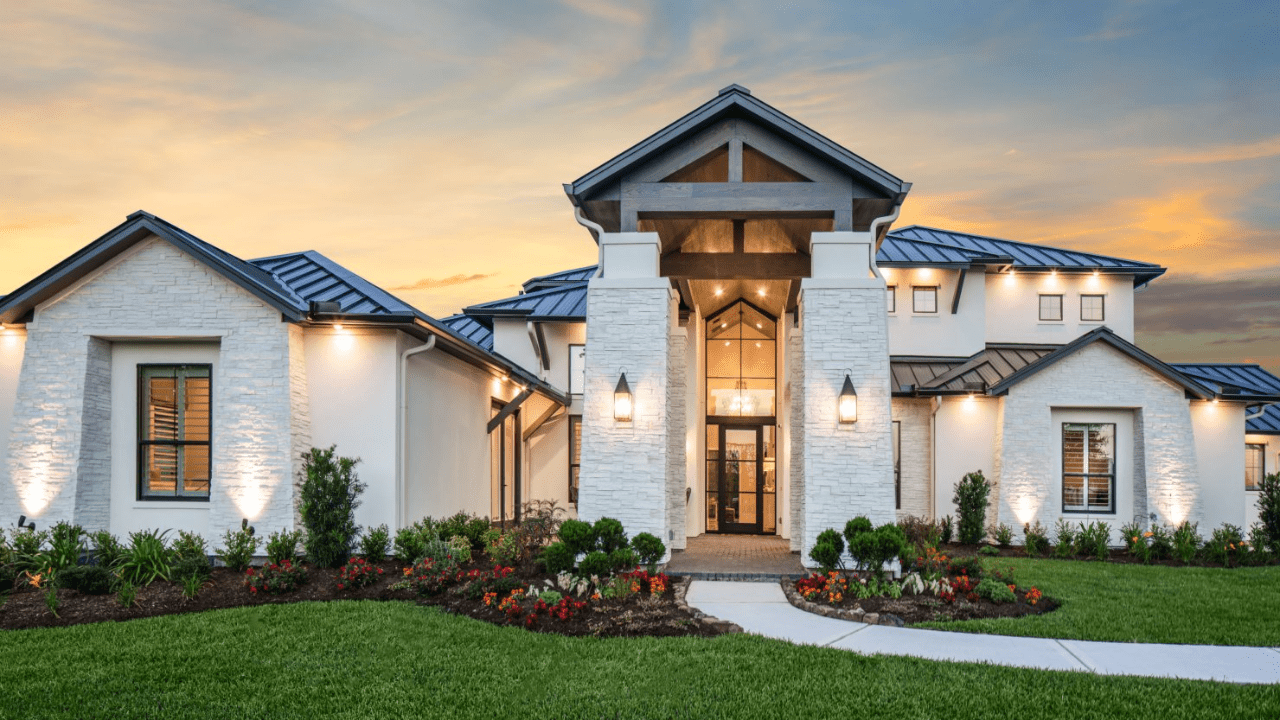
You may also review sample floor plans, material options, and past project photos. These examples help you communicate your style preferences more clearly. Seeing real work builds confidence in the builder’s craftsmanship and design capabilities.
Learning About Timeline and Project Phases
Many homeowners want to know how long the entire process will take, from design approval to move in day. While exact timelines vary depending on project size, permits, and weather conditions, the builder can usually provide a general schedule. This often includes design development, permitting, site preparation, construction, inspections, and final walkthrough.
Understanding the sequence of phases helps you prepare for key decisions along the way. It also sets realistic expectations so delays or adjustments feel manageable rather than stressful. Clear scheduling communication is a sign of professional project management.
Reviewing Permits, Regulations, and Responsibilities
Custom home construction involves permits, building codes, and inspections that must be handled correctly. During the first meeting, the builder may explain which responsibilities they manage and what involvement is required from you. Most reputable builders coordinate permits, schedule inspections, and ensure compliance with local regulations.
This conversation is important because it clarifies accountability and prevents confusion later. Knowing that regulatory steps are handled professionally gives peace of mind and protects your investment from legal or safety issues.
Discussing Materials, Quality, and Craftsmanship
Another key topic is the level of quality you can expect in construction materials and workmanship. Builders often describe the structural components, insulation standards, energy efficiency features, and finish options they commonly use. This helps you understand the durability and performance of your future home.
You may also ask about customization flexibility. Some builders offer a wide range of finishes and design details, while others follow more standardized selections. Clarifying this early ensures the builder’s approach aligns with your expectations for uniqueness and personalization.
Asking Questions About Communication and Updates
Strong communication is essential for a smooth building experience. The first meeting is a great time to ask how often you will receive updates, who your main point of contact will be, and how changes are approved. Some builders provide online project portals, while others schedule regular phone or in person check ins.
Understanding the communication process reduces uncertainty during construction. It also helps build a collaborative relationship where questions and concerns are addressed quickly rather than becoming larger issues.
Reviewing Contracts and Next Steps
Although you may not sign a contract during the first meeting, the builder will often explain what the agreement process looks like. This includes deposits, design agreements, construction contracts, and payment schedules. Knowing these steps in advance allows you to review documents carefully and seek clarification if needed.
The builder may also outline immediate next actions such as site evaluation, preliminary design sketches, or budgeting estimates. Leaving the meeting with clear next steps helps maintain momentum and keeps the project moving forward.
Building Trust and Confidence
Beyond technical details, the first meeting is about determining whether the builder is the right partner for your journey. You should feel comfortable asking questions, expressing concerns, and sharing ideas openly. Professionalism, transparency, and willingness to listen are strong indicators of a reliable custom home builder.
Trust is essential because custom home construction is a long process that requires teamwork and clear communication. Choosing a builder who respects your vision and explains each step carefully creates a positive experience from start to finish.
Preparing for a Successful First Meeting
To make the most of your consultation, consider bringing inspiration photos, a list of must have features, budget thoughts, and any land information available. Writing down questions beforehand ensures you cover important topics without forgetting details during the conversation.
Preparation allows the builder to provide more accurate guidance and helps you leave the meeting feeling informed and confident. A well prepared first discussion lays the foundation for a smoother design and construction journey.
Moving Forward With Clarity
Your first meeting with a custom home builder is the beginning of transforming an idea into a real living space designed around your needs. By discussing vision, budget, land, design, timeline, and communication, you gain a clear understanding of what lies ahead. This clarity reduces stress and helps you make thoughtful decisions throughout the process. With the right builder and open collaboration, the path to your custom home can be rewarding, organized, and exciting. Taking time to understand what to expect in the first meeting ensures you start this important journey with confidence and peace of mind.
Related Posts

Explore The Best Dental Practices For Optimal Health
Maintaining optimal dental health is crucial not only for a…
Ultimate Bounce House Rentals Guide: Top Tips Inside!
In recent years, bounce house rentals have become a staple…

How To Master Preventative Dental Care Tips
Maintaining good oral health is a cornerstone of overall well-being,…